You can sharpen dull food processor blades at home using several methods, including manual ceramic or diamond sharpeners, whetstones, or even a ceramic mug for a temporary fix. Always prioritize safety by unplugging the appliance, wearing cut-resistant gloves, and handling blades with extreme care. Sharpening restores the blade’s modern by removing a small amount of metal, while honing realigns a bent edge without removing material.
Understanding Your Food Processor Blades
Food processor blades inevitably lose their edge over time due to repeated use, especially with tough ingredients. Constant contact with food, cleaning, and storage gradually smooths the fine modern. Recognizing dullness is crucial: your processor might take longer, vibrate excessively, or make more noise. Ingredients may appear torn or mashed instead of cleanly cut. Very dull blades can also cause the machine to stall or overheat, stressing the motor. While many blades are made from durable high-carbon stainless steel, this material can be challenging to sharpen, and some experts caution against home sharpening due to the risk of chipping.
Before You Start: Safety First
Before attempting any sharpening, prioritizing your safety is paramount. Food processor blades, even when dull, can still cause injury if handled improperly. For see our food processor recommendations on this site.
First, always ensure your food processor is completely unplugged from the power outlet to eliminate any risk of accidental activation. Next, carefully remove the blades from the food processor bowl. It’s highly recommended to wear cut-resistant gloves during this step and throughout the sharpening process for vital protection. Before sharpening, thoroughly rinse the blades under running water to remove any food residue that might interfere with the sharpening process or harbor bacteria. A clean blade is a safer blade to work with.
Methods for Sharpening Food Processor Blades at Home
Reviving your food processor blades can be accomplished through several methods, each with its own advantages and learning curve.
1. Using a Manual Ceramic or Diamond Sharpener
Manual ceramic or diamond sharpeners are popular choices for their ease of use and effectiveness on various blade types. These tools often feature pre-set sharpening angles, simplifying the process for home users. Many are designed with coarse and fine grit slots, allowing you to first restore the edge and then refine it.
To use one, securely hold the sharpener’s handle with one hand and, while wearing cut-resistant gloves, grasp the food processor blade by its central spindle with the other. Gently but firmly run the blade’s edge through the appropriate slot, typically the coarser one first. Repeat this motion several times, usually 5-7 passes, without applying excessive pressure; the sharpener’s ceramic or diamond wheels are designed to do the work. Finish with a few passes through the finer slot to polish the edge. These sharpeners are particularly good for their convenience, as they maintain a consistent angle for you, reducing the chance of error.
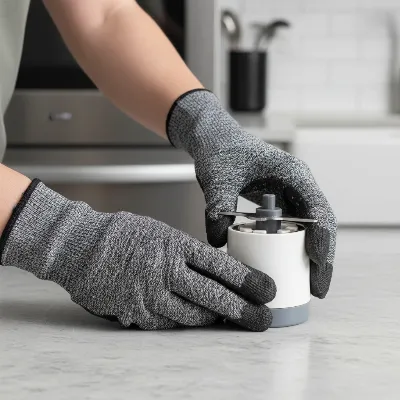 Person sharpening a food processor blade using a manual ceramic sharpener with gloves
2. Using a Whetstone (Sharpening Stone)
|
Our Picks for the Best Food Processor in 2026
As an Amazon Associate I earn from qualifying purchases.
|
||
| Num | Product | Action |
|---|---|---|
| 1 | Ninja Food Processor, Professional XL, 1200 Peak-Watts, 4-in-1, Chopping, Slicing/Shredding, Purees, Dough, 12-Cup Processor Bowl, 2 Blades & 2 Discs, Feed Chute/Pusher, Black, NF701 |

|
| 2 | Cuisinart 5-cup Chop & Shred Food Processor, Silver, FP-5 |
|
| 3 | Hamilton Beach Food Processor & Vegetable Chopper for Slicing, Shredding, Mincing, and Puree, 8 Cup, Black |
|
| 4 | BLACK+DECKER 8-Cup Food Processor, Easy Assembly, Stainless Steel S-Blade, Shred, Slice, Chop, Puree, 450W Motor |
|
| 5 | Ninja Kitchen System | 8-Cup Food Processor Bowl & 72 oz. Blender All-in-One | With (2) 16 oz. To-Go Cups | For Smoothies, Ice Crushing, Dough & More | 1500 Watt | Black | BL770 |
|
| 6 | Hamilton Beach Stack & Snap Food Processor and Vegetable Chopper, BPA Free, Stainless Steel Blades, 12 Cup Bowl, 2-Speed 450 Watt Motor, Black (70725A) |
|
| 7 | Ninja Food Processor, Professional Plus, 1000 Peak Watts, 4 Functions for Chopping, Slicing, Purees & Dough with 9-Cup Processor Bowl, 3 Blades, Food Chute & Pusher, Silver, BN601 |
|
| 8 | Hamilton Beach Food Processor & Vegetable Chopper for Slicing, Shredding, Mincing, and Puree, 10 Cups + Easy Clean Bowl Scraper, Black and Stainless Steel (70730) |
|
| 9 | Ninja BN600 Professional Food Processor (Renewed) |
|
| 10 | BLACK+DECKER 3-in-1 Easy Assembly 8-Cup Food Processor, Stainless Steel S-Blade, Easy-Clean, Touchpad Controls Black |
|
Whetstones, or sharpening stones, offer a more traditional and versatile approach to blade sharpening, capable of achieving very fine edges. However, they require a bit more skill to master, particularly in maintaining a consistent sharpening angle. Whetstones come in various grit levels, with lower numbers indicating coarser grits for removing more material and higher numbers for finer polishing.
Before starting, if your whetstone requires it, soak it in water for 5-10 minutes or apply honing oil across its surface to lubricate it. This helps the blade glide smoothly and prevents metal particles from clogging the stone. With your safety gloves on, place the blade on the coarse side of the stone at an angle typically between 15 and 20 degrees. Gently slide the blade back and forth across the stone, applying even pressure. Consistency in angle and pressure is key. After several passes on one side, flip the blade and sharpen the other side. Repeat this process, gradually moving to a finer grit side of the whetstone, if available, to refine the edge and remove any burrs (tiny metal curls that form during sharpening).
3. The Ceramic Mug Hack (Emergency/Temporary)
For a quick, temporary fix when you don’t have dedicated sharpening tools, a ceramic mug can come to the rescue. The unglazed, rough bottom rim of many ceramic mugs can serve as an impromptu sharpening surface due to its abrasive nature. This method is best for very minor dullness or as a stopgap measure.
To perform this hack, flip a ceramic mug upside down. Carefully, and with gloves on, drag the edge of your food processor blade across the rough, unglazed bottom rim of the mug. Maintain a consistent, shallow angle, similar to how you would with a whetstone. Perform several gentle sweeps on each side of the blade, alternating as you go. While surprisingly effective for a quick touch-up, this method is less precise than dedicated sharpeners and should not be relied upon for extensive sharpening or blade repair.
Honing vs. Sharpening: What’s the Difference?
It’s important to understand the distinction between honing and sharpening, as these terms are often used interchangeably but refer to different processes that contribute to blade maintenance.
Sharpening involves removing a small amount of metal from the blade to create a new, sharper edge. This is what you do when your blade is truly dull and can no longer cut effectively. The methods described above (ceramic sharpeners, whetstones, ceramic mug) are all forms of sharpening.
Honing, on the other hand, does not remove metal. Instead, it realigns the microscopic edge of the blade that has bent or rolled over from use. Think of it like straightening a bent wire rather than cutting it. A honing rod (often mistakenly called a sharpening steel) is typically used for this purpose. Regular honing can significantly delay the need for full sharpening by keeping the blade’s edge aligned and functional, preserving the blade’s life and efficiency between sharpening sessions. Using a honing rod after every few uses of your food processor can significantly extend the time before a full sharpening is needed.
Important Considerations & Cautions
While sharpening your food processor blades at home can be a cost-effective way to extend their life, it’s crucial to proceed with caution and be aware of potential limitations. As mentioned earlier, some manufacturers and experts advise against sharpening food processor blades at home due to the specific material (high-carbon stainless steel) and design, which can make them difficult to sharpen correctly. Incorrect sharpening techniques can lead to uneven edges, compromise the blade’s integrity, or even cause dangerous chipping during use.
If your blades are severely damaged, chipped, or have significant nicks, home sharpening might not be sufficient or safe. In such cases, it’s often best to consider purchasing replacement blades directly from the manufacturer. Alternatively, if you’re unsure about your sharpening skills or the condition of your blades, seeking professional sharpening services might be a safer option. Always prioritize safety over attempting to salvage a blade that is beyond safe home repair.
“A well-maintained food processor blade is a joy to use, but safety always comes first. If you’re ever in doubt about sharpening, a new blade or professional service is a small price for peace of mind in the kitchen.” – Chef Anya Sharma, Culinary Tools Expert
Maintaining Sharpness and Extending Blade Life
Beyond sharpening, adopting good maintenance habits can significantly extend the life and performance of your food processor blades. Regular care can keep them sharper for longer, reducing the frequency of sharpening.
Firstly, always clean your blades immediately after use. Food residue, especially acidic ingredients, can corrode the metal over time. Handwashing with warm, soapy water is generally recommended over dishwashers, as the harsh detergents and high heat can dull blades faster. When washing, handle them with extreme care, using a brush or sponge to avoid direct contact with the sharp edges. Secondly, be mindful of what you process. Avoid extremely hard items like whole coffee beans, ice cubes (unless your model is specifically designed for it), or frozen rock-hard fruits, as these can chip or bend the blade edge. Finally, proper storage is key. If possible, store blades in their original protective sleeve or a designated blade guard to prevent them from knocking against other utensils in a drawer, which can cause dulling or damage. Regular honing with a honing rod can also help maintain the blade’s edge between sharpening sessions.
Conclusion
A dull food processor blade can turn kitchen tasks into a chore, but with the right tools and techniques, you can confidently restore its cutting power at home. Whether you opt for the simplicity of a ceramic sharpener, the precision of a whetstone, or even the quick fix of a ceramic mug, understanding these methods empowers you to maintain your kitchen essentials. to always prioritize safety by unplugging your appliance, wearing protective gloves, and handling blades with utmost care. While home sharpening offers a practical solution, always be mindful of the blade’s condition and consider professional help or replacement if severe damage or safety concerns arise. By integrating these practices into your kitchen routine, you’ll ensure your food processor remains a high-performing ally, ready to tackle any culinary challenge. What’s your go-to method for keeping your kitchen tools razor-sharp?
Frequently Asked Questions
Frequently Asked Questions
How often should I sharpen my food processor blades?
The frequency depends on usage and the types of food processed. For heavy use, sharpening every few months might be necessary. For lighter use, once or twice a year often suffices, but always observe signs of dullness like tearing food or increased processing time.
Can I sharpen serrated food processor blades at home?
Sharpening serrated blades is more complex than plain blades and typically requires specialized tools, such as a ceramic sharpening rod designed for serrations. It is generally not recommended for home users without experience and the correct equipment, as improper sharpening can damage the serrations.
What is the recommended sharpening angle for food processor blades?
A sharpening angle between 15 and 20 degrees per side is commonly recommended for food processor blades, similar to many kitchen knives. If you are using a manual sharpener, the angle is often pre-set, which simplifies the process considerably.
Is it safe to sharpen food processor blades myself?
It can be safe if you take proper precautions, including unplugging the appliance, wearing cut-resistant gloves, and handling blades carefully. However, some experts advise against it due to the specific material and design of food processor blades, which can be prone to chipping if sharpened incorrectly.
When should I replace food processor blades instead of sharpening them?
You should consider replacing blades if they are severely chipped, bent, cracked, or show significant signs of irreversible damage. If sharpening attempts do not restore their effectiveness, or if you have safety concerns about their integrity, replacement is the safest and best option.
Sharpen Food Processor Blades at Home
Learn three effective methods to sharpen your food processor blades, including using a manual sharpener, a whetstone, or a ceramic mug for a quick fix.
First, unplug your food processor completely to prevent accidental activation. Carefully remove the blades from the bowl, wearing cut-resistant gloves for protection. Rinse the blades thoroughly under running water to remove any food residue before sharpening.
Select your preferred sharpening tool: a manual ceramic or diamond sharpener, a whetstone, or a ceramic mug for an emergency touch-up. Each method has different skill requirements and effectiveness levels. Manual sharpeners are easiest for beginners due to pre-set angles.
If using a manual sharpener, make 5-7 passes through the coarse slot, then a few through the fine slot. For a whetstone, soak it if needed, then slide the blade at a 15-20 degree angle across the coarse side, then the fine side. For the ceramic mug hack, drag the blade edge across the unglazed bottom rim at a shallow, consistent angle.
After sharpening, clean the blades again to remove any metal particles. Carefully reattach them to your food processor. Test the sharpness by processing a soft vegetable like a tomato or onion to ensure clean, consistent cuts.
Regularly hone your blades with a honing rod after every few uses to realign the edge and extend the time between full sharpenings. Always handwash blades immediately after use and store them in a protective sleeve to prevent dulling or damage.

As a professional, I appreciate the emphasis on safety, especially wearing cut-resistant gloves. I’ve seen too many close calls. I used the diamond sharpener on our commercial-grade processor blades, and they’re cutting through tough root vegetables like new. It’s a great way to extend the life of expensive equipment without much downtime.
I’ve been struggling with my Cuisinart food processor for months, thinking it was just getting old. The part about ingredients looking torn instead of cut really resonated. I tried the ceramic sharpener method mentioned, and wow, what a difference! My pesto is finally smooth again, and chopping veggies is so much faster. Definitely a game-changer for my kitchen.
I gave the whetstone method a try on my KitchenAid blades. It worked okay, but it was a bit more involved than I expected. I wish there was a clearer guide on the exact angle to hold the blade; I felt like I was guessing a bit. Still, it’s better than buying new blades, and my hummus is a little smoother now.
My old Hamilton Beach processor was making so much noise and vibrating like crazy, just like described. I was skeptical about using a ceramic mug for a temporary fix, but it actually worked! It’s amazing how much better it handles nuts now. I’m going to invest in a proper sharpener soon, but this got me through my holiday baking.