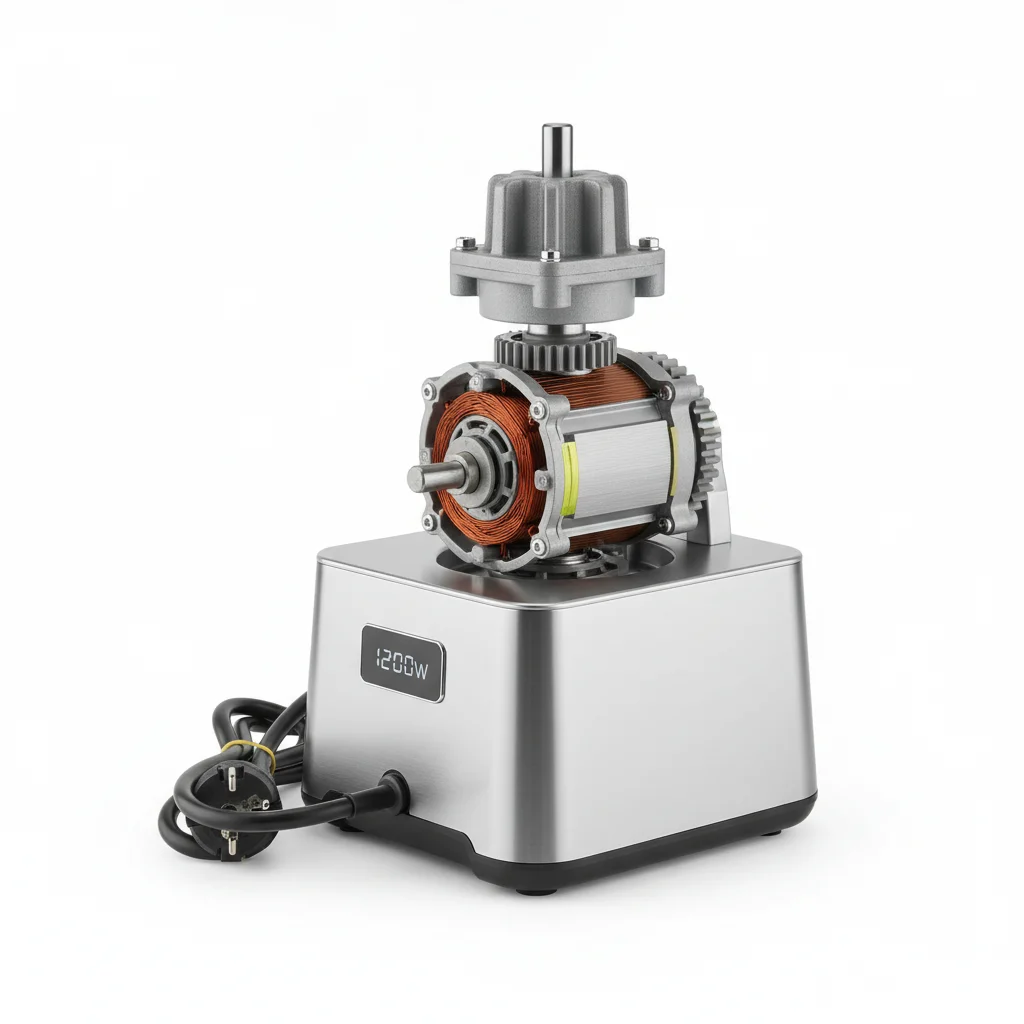
When choosing a food processor, the motor’s wattage is a critical factor that directly impacts its performance and durability. For most home cooks, a food processor with a motor between 600 and 1000 watts offers the ideal balance of power for everyday tasks like chopping, slicing, and shredding, while also handling more demanding jobs such as kneading dough or grinding nuts. Understanding your typical usage will help you select a motor that won’t underperform or be unnecessarily powerful.
Understanding Food Processor Motor Wattage
Wattage in a food processor motor indicates the power it can draw from an electrical outlet. Higher wattage generally translates to more power available for processing ingredients, which can prevent the motor from bogging down under heavy loads. This is particularly important for tasks that require sustained power, such as making thick purees or processing dense vegetables. A motor with insufficient wattage might struggle, overheat, and ultimately have a shorter lifespan. For best food processor roundups on this site.
However, more watts don’t always mean a better food processor for every user. For light tasks like chopping herbs or making vinaigrettes, a lower wattage model (around 300-500 watts) can be perfectly adequate and often more compact and affordable. The key is matching the motor’s power to the intensity and frequency of your intended use.
Wattage for Common Kitchen Tasks
Different kitchen tasks demand varying levels of power from your food processor. For basic chopping, slicing, and shredding of fruits and vegetables, a motor in the 400-600 watt range is usually sufficient. If you frequently make doughs, grind meat, or process hard cheeses and nuts, you’ll want to look for a motor in the 700-1000 watt range. Professional-grade food processors, often found in commercial kitchens, can exceed 1000 watts, offering continuous power for very large batches and extremely tough ingredients.
Consider the types of recipes you prepare most often. If you’re an avid baker who frequently kneads bread dough, a higher wattage motor will be a significant advantage. Conversely, if your food processor is primarily for quick meal prep and lighter tasks, a mid-range wattage will serve you well without overspending on power you don’t need.
The Role of Torque and Blade Design
|
Our Picks for the Best Food Processor in 2026
As an Amazon Associate I earn from qualifying purchases.
|
||
| Num | Product | Action |
|---|---|---|
| 1 | BLACK+DECKER 8-Cup Food Processor, Easy Assembly, Stainless Steel S-Blade, Shred, Slice, Chop, Puree, 450W Motor |

|
| 2 | BLACK+DECKER 3-in-1 Easy Assembly 8-Cup Food Processor, Stainless Steel S-Blade, Easy-Clean, Touchpad Controls Black |
|
| 3 | Hamilton Beach Food Processor & Vegetable Chopper for Slicing, Shredding, Mincing, and Puree, 8 Cup, Black |
|
| 4 | Hamilton Beach Food Processor & Vegetable Chopper for Slicing, Shredding, Mincing, and Puree, 10 Cups + Easy Clean Bowl Scraper, Black and Stainless Steel (70730) |
|
| 5 | Ninja Kitchen System | 8-Cup Food Processor Bowl & 72 oz. Blender All-in-One | With (2) 16 oz. To-Go Cups | For Smoothies, Ice Crushing, Dough & More | 1500 Watt | Black | BL770 |
|
| 6 | Ninja Food Processor, Professional XL, 1200 Peak-Watts, 4-in-1, Chopping, Slicing/Shredding, Purees, Dough, 12-Cup Processor Bowl, 2 Blades & 2 Discs, Feed Chute/Pusher, Black, NF701 |
|
| 7 | Hamilton Beach Stack & Snap Food Processor and Vegetable Chopper, BPA Free, Stainless Steel Blades, 12 Cup Bowl, 2-Speed 450 Watt Motor, Black (70725A) |
|
| 8 | Ninja BN600 Professional Food Processor (Renewed) |
|
| 9 | Cuisinart 5-cup Chop & Shred Food Processor, Silver, FP-5 |
|
| 10 | Ninja Food Processor, Professional Plus, 1000 Peak Watts, 4 Functions for Chopping, Slicing, Purees & Dough with 9-Cup Processor Bowl, 3 Blades, Food Chute & Pusher, Silver, BN601 |
|
While wattage is a primary indicator of power, it’s not the only factor. The motor’s torque and the design of the blades also play crucial roles in overall performance. A motor with good torque can maintain its speed and power even when encountering resistance, preventing stalls. Efficient blade design ensures that the power generated by the motor is effectively transferred to the food, resulting in consistent processing.
Some manufacturers also incorporate features like induction motors, which are known for their durability and quiet operation, even at higher wattages. These motors often provide a more consistent power output compared to universal motors, which can fluctuate more under varying loads. Always consider the overall construction and engineering of the appliance, not just the raw wattage number.
When to Consider Higher Wattage
You should consider a food processor with higher wattage (700W+) if:
- You regularly knead bread or pizza dough.
- You frequently make nut butters or grind hard nuts.
- You process large quantities of dense vegetables or hard cheeses.
- You want a machine that can handle continuous, heavy-duty use without overheating.
- You prioritize speed and efficiency for demanding tasks.
For those who engage in these more intensive culinary activities, investing in a higher wattage model will provide a more reliable and satisfying experience, ensuring your food processor can keep up with your cooking demands.
Balancing Power with Other Features
Beyond wattage, consider other features like bowl capacity, speed settings, and included attachments. A powerful motor in a small bowl might be overkill, just as a large bowl with an underpowered motor will be frustrating. Look for a food processor that offers a good balance across all these aspects to best suit your kitchen needs and cooking style. Many models offer variable speed controls, which allow you to fine-tune the processing for delicate ingredients or ramp up for tougher jobs, making the most of the motor’s power.
Ultimately, the right wattage for your food processor depends on your individual cooking habits and the types of foods you plan to process. A thoughtful assessment of your needs will lead you to a food processor that performs reliably and efficiently for years to come.
